
What is a Heel Stress Fracture?
A heel stress fracture is a small crack in the calcaneus, or heel bone, which occurs due to repetitive stress or overuse. Unlike acute fractures which result from a sudden, traumatic event, stress fractures develop over time as a result of cumulative strain. This type of injury is particularly common among athletes, runners, and individuals who engage in high-impact activities. The calcaneus is one of the largest bones in the foot and bears a significant portion of the body’s weight, making it susceptible to stress fractures.
Stress fractures of the heel can be challenging to diagnose because the symptoms often develop gradually. Early signs might be subtle, such as mild discomfort that worsens with activity and improves with rest. If left untreated, the fracture can become more severe, leading to increased pain and potential complications. Understanding the nature of heel stress fractures is crucial for proper management and prevention.
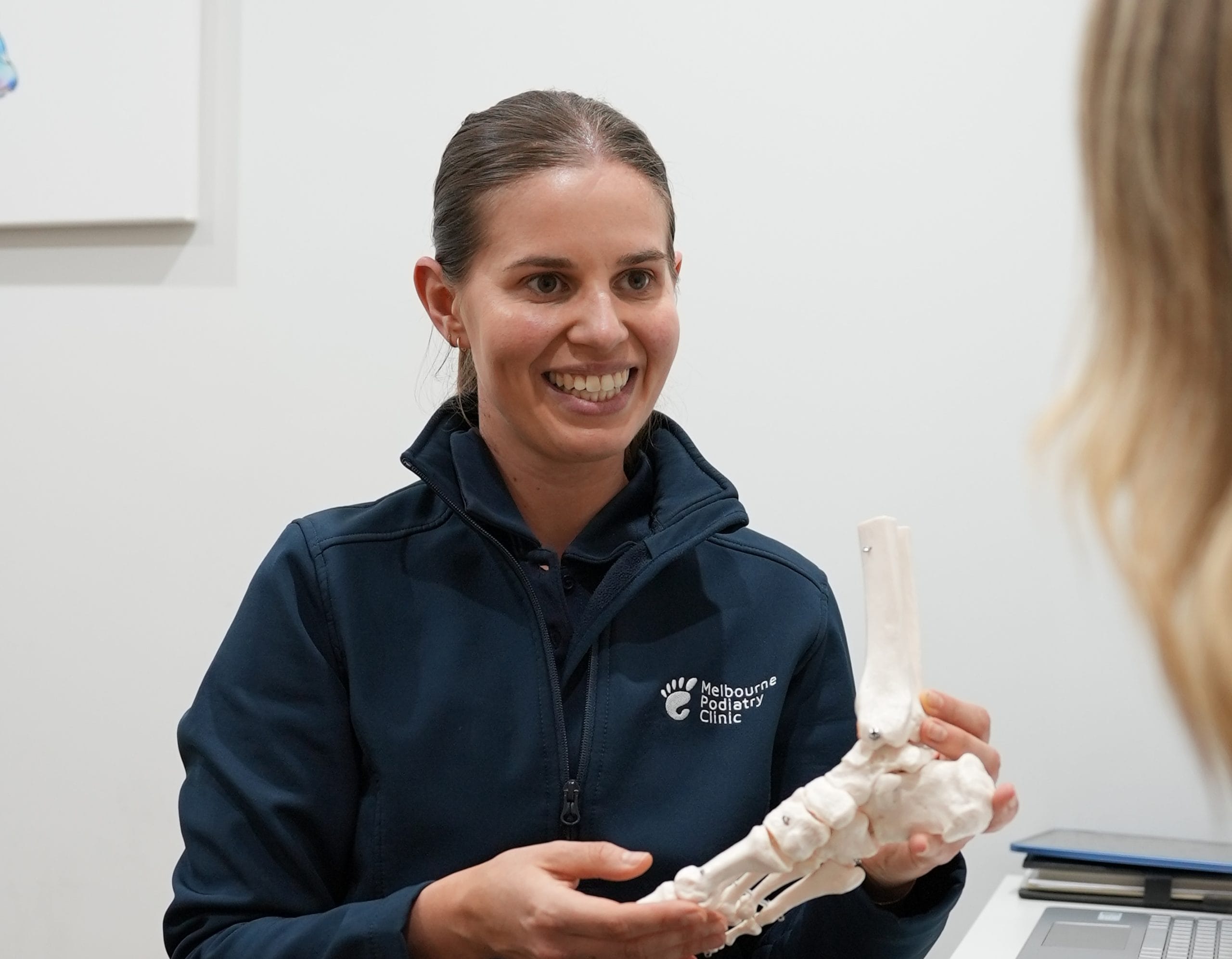
The process of bone remodeling, where old bone is replaced by new bone tissue, plays a significant role in stress fractures. When the bone is subjected to repetitive stress, it attempts to repair itself. However, if the stress continues without adequate rest, the bone cannot keep up with the repair process, leading to the development of micro-cracks that eventually coalesce into a stress fracture.
Common Causes of Heel Stress Fractures
Heel stress fractures are often the result of repetitive, high-impact activities that place excessive strain on the heel bone. Running, especially on hard surfaces, is one of the most common causes. The repetitive pounding of the feet on the ground can create micro-traumas in the bone, which accumulate over time and lead to a stress fracture. This is why runners are particularly susceptible to this type of injury.
Another common cause is sudden increases in physical activity. When individuals ramp up their exercise routines too quickly without allowing their bodies to gradually adapt, they can place undue stress on their bones. This is often seen in athletes who intensify their training regimens or in individuals who begin a new workout program without proper conditioning.
Improper footwear can also contribute to heel stress fractures. Shoes that lack proper cushioning and support can fail to absorb the impact of each step, transferring the force directly to the bones in the foot. Over time, this can lead to the development of stress fractures. Wearing worn-out shoes or shoes that are not designed for the specific activity being performed can exacerbate this issue.
Risk Factors for Developing Heel Stress Fractures
Several risk factors can increase the likelihood of developing heel stress fractures. One of the primary factors is participation in high-impact sports such as running, basketball, or gymnastics. Athletes who train intensively without adequate rest periods are at a higher risk due to the constant stress placed on their bones. Additionally, those who engage in activities that involve repetitive jumping or landing are particularly susceptible.
Foot structure and biomechanics also play a significant role. Individuals with flat feet or high arches may experience uneven distribution of weight across the foot, leading to increased stress on certain areas, including the heel. Similarly, abnormalities in gait or improper alignment can cause excessive pressure on the heel bone, increasing the risk of stress fractures.
Certain medical conditions and lifestyle factors can further contribute to the risk. Osteoporosis, a condition characterized by weakened bones, can make individuals more prone to fractures, including stress fractures. Nutritional deficiencies, particularly in calcium and vitamin D, can also compromise bone health and increase vulnerability. Additionally, smoking and excessive alcohol consumption can negatively impact bone density, further raising the risk of stress fractures.
Signs and Symptoms to Watch For
Heel stress fractures often present with a range of symptoms that can vary in intensity. One of the earliest signs is localized pain in the heel that worsens with activity and improves with rest. This pain is typically described as a dull ache initially but can become more sharp and severe as the fracture progresses. The pain may also be more noticeable during weight-bearing activities such as walking, running, or jumping.
Swelling and tenderness in the heel area are also common symptoms. The affected area may become swollen and sensitive to touch. This tenderness is often localized to a specific spot on the heel, which can help differentiate a stress fracture from other types of heel pain, such as plantar fasciitis. In some cases, there may also be visible bruising or discoloration around the heel.
Another symptom to watch for is difficulty bearing weight on the affected foot. Individuals with a heel stress fracture may find it challenging to walk or stand for extended periods. They may also experience a noticeable limp or change in gait as they attempt to avoid placing pressure on the injured heel. If any of these symptoms are present, it is essential to seek medical evaluation to determine the cause and initiate appropriate treatment.
How Heel Stress Fractures are Diagnosed
Diagnosing a heel stress fracture involves a thorough evaluation by a healthcare professional. The process typically begins with a detailed medical history and physical examination. The healthcare provider will ask about the patient’s symptoms, activities, and any recent changes in physical activity or footwear. They will also perform a physical examination of the foot, checking for signs of tenderness, swelling, and pain in the heel.
Imaging studies are often necessary to confirm the diagnosis of a heel stress fracture. X-rays are usually the first imaging modality used, but stress fractures may not always be visible on initial X-rays, especially in the early stages. If the X-rays are inconclusive, the healthcare provider may order more advanced imaging, such as a bone scan, MRI, or CT scan. These imaging techniques can provide a more detailed view of the bone and are more sensitive in detecting stress fractures.
In some cases, a diagnostic ultrasound may be used to assess the soft tissues around the heel and rule out other potential causes of heel pain. Additionally, the healthcare provider may conduct a biomechanical assessment to evaluate the patient’s gait and foot alignment. This comprehensive approach helps ensure an accurate diagnosis and allows for the development of a targeted treatment plan.
Treatment Options for Heel Stress Fractures
The primary goal of treating a heel stress fracture is to relieve pain, promote healing, and prevent further injury. The initial treatment typically involves rest and activity modification. Patients are advised to avoid weight-bearing activities that exacerbate the pain and to use crutches or a walking boot to reduce stress on the heel. Resting the foot allows the bone to heal and prevents the fracture from worsening.
In addition to rest, pain management is an essential component of treatment. Over-the-counter pain relievers such as acetaminophen or ibuprofen can help alleviate pain and reduce inflammation. Ice packs applied to the affected area for 15-20 minutes several times a day can also help manage pain and swelling. Elevating the foot when resting can further reduce swelling and discomfort.
Physical therapy may be recommended to promote healing and restore function. A physical therapist can design a personalized rehabilitation program that includes exercises to improve strength, flexibility, and balance. They may also provide guidance on proper footwear and orthotics to support the heel and prevent future injuries. In severe cases, or if conservative treatments are not effective, surgical intervention may be necessary to stabilize the fracture and promote healing.
Recovery Time and Rehabilitation Strategies
The recovery time for a heel stress fracture can vary depending on the severity of the fracture and the effectiveness of the treatment plan. On average, it can take six to eight weeks for a stress fracture to heal. During this period, it is crucial to follow the healthcare provider’s recommendations and avoid activities that place stress on the heel. Gradual return to activity is essential to prevent re-injury.
Rehabilitation strategies play a vital role in the recovery process. Physical therapy exercises are designed to strengthen the muscles around the heel, improve flexibility, and enhance overall foot mechanics. These exercises may include stretching, resistance training, and balance exercises. Gradually increasing the intensity and duration of these exercises helps prepare the foot for a return to normal activities.
Monitoring progress and adjusting the rehabilitation plan as needed is essential for optimal recovery. Regular follow-up appointments with the healthcare provider ensure that the fracture is healing correctly and that the patient is progressing as expected. Patience and adherence to the treatment plan are key to achieving a full recovery and preventing future heel stress fractures.
Preventing Heel Stress Fractures
Preventing heel stress fractures involves a combination of proper training, footwear, and lifestyle choices. Gradual progression in physical activity is crucial to allow the body to adapt to increased demands. Avoiding sudden increases in training intensity and incorporating rest days into the exercise routine can help reduce the risk of stress fractures. Cross-training with low-impact activities such as swimming or cycling can also provide a break from repetitive high-impact exercises.
Wearing appropriate footwear is essential for preventing heel stress fractures. Shoes should provide adequate cushioning and support to absorb the impact of each step. It is important to choose shoes that are suitable for the specific activity being performed and to replace them regularly as they wear out. Custom orthotics may be recommended for individuals with specific foot mechanics or alignment issues to provide additional support and reduce stress on the heel.
Maintaining good bone health is another critical aspect of prevention. A balanced diet rich in calcium and vitamin D can help strengthen bones and reduce the risk of fractures. Weight-bearing exercises such as walking or strength training can also improve bone density. Avoiding smoking and excessive alcohol consumption can further support bone health. By adopting these preventive measures, individuals can reduce their risk of developing heel stress fractures.
When to Seek Medical Attention
It is important to seek medical attention if any signs or symptoms of a heel stress fracture are present. Persistent heel pain that worsens with activity and does not improve with rest should not be ignored. Early diagnosis and treatment are crucial to prevent the fracture from worsening and to promote effective healing. Delaying medical evaluation can lead to complications and prolong the recovery process.
Swelling, tenderness, and difficulty bearing weight on the affected foot are also indicators that medical attention is needed. If the pain is severe or if there is visible bruising or discoloration around the heel, it is essential to consult a healthcare provider. These symptoms may indicate a more severe fracture or other underlying conditions that require prompt treatment.
Individuals with risk factors such as participation in high-impact sports, foot abnormalities, or medical conditions that affect bone health should be particularly vigilant. Regular check-ups and monitoring by a healthcare provider can help identify potential issues early and prevent the development of stress fractures. Seeking medical attention promptly ensures that appropriate measures can be taken to address the condition and promote recovery.
Key Takeaways
Heel stress fractures are a common injury, particularly among athletes and individuals who engage in high-impact activities. Understanding the causes, symptoms, and risk factors associated with this condition is essential for effective prevention and treatment. By recognizing the early signs of a stress fracture and seeking prompt medical evaluation, individuals can take the necessary steps to promote healing and prevent further injury.
Treatment options for heel stress fractures typically involve rest, pain management, and physical therapy. Adhering to the recommended treatment plan and gradually returning to activity are crucial for a successful recovery. Rehabilitation strategies, including strengthening and flexibility exercises, play a vital role in restoring function and preventing future fractures.
Preventive measures such as proper training, appropriate footwear, and maintaining good bone health can significantly reduce the risk of developing heel stress fractures. By adopting these strategies and seeking medical attention when needed, individuals can protect their foot health and maintain an active lifestyle. Understanding heel stress fractures empowers individuals to make informed decisions about their health and well-being.